
What Your Skin Is Telling You About Your Gut, Liver, and Hormones
Skin symptoms are often the body’s first way of signaling that something deeper needs attention. When we look beyond the surface and address the internal imbalances driving those symptoms, true healing becomes possible.
-Dr. Alicia Armitstead
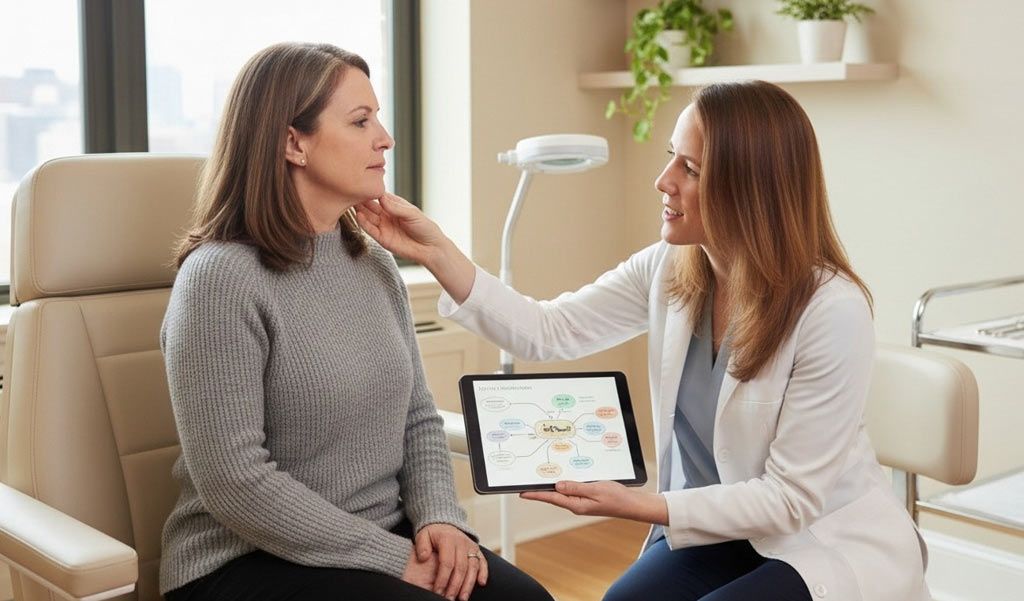
How Nutrition Response Testing Identifies the Internal Causes Behind Skin Symptoms
Your skin is one of the most accurate mirrors of your internal health, often revealing gut, liver, and hormonal imbalances long before lab tests do. Acne, eczema, dryness, and premature aging are not random—they are messages from systems that need support. This blog explains how these internal patterns develop and how holistic therapies like NRT and detoxification help restore balance from the inside out.
What Different Skin Symptoms Reveal About Internal Imbalances
Skin symptoms rarely appear in isolation; they are usually connected to deeper patterns in the gut, liver, or endocrine system. These patterns develop gradually and become more visible as the body struggles to compensate. Below are the most common skin signs and what they typically indicate internally.
- Acne – Acne often reflects inflammation in the gut or congestion in the liver, especially when breakouts appear around the jawline or cheeks. Hormonal fluctuations can worsen these patterns, creating cycles of breakouts that topical treatments cannot resolve.
- Eczema – Eczema frequently points to immune reactivity driven by gut imbalance, food sensitivities, or toxin overload. When the liver is overwhelmed, the skin becomes a secondary detox organ, leading to irritation and flare‑ups.
- Dryness and flaking – Chronic dryness often signals poor fat absorption, sluggish digestion, or hormonal shifts that affect the skin’s natural moisture barrier. When the gut is inflamed, the body struggles to utilize essential nutrients that keep the skin supple.
- Premature aging – Fine lines, dullness, and loss of elasticity often reflect oxidative stress, poor detoxification, or chronic inflammation. When the liver and gut are overworked, the skin loses its ability to repair and regenerate efficiently.
- Redness and sensitivity – These symptoms often indicate histamine overload, gut permeability, or stress‑related hormonal changes. The skin becomes reactive because the internal systems that help calm inflammation are strained.
- Dark under‑eye circles – These circles often reflect sluggish detox pathways, poor sleep quality, or adrenal stress. When the body is overwhelmed, circulation slows, and the skin shows the strain.
These patterns are the body’s way of signaling that deeper systems need support. When the internal imbalance is addressed, the skin often improves quickly and naturally. Understanding these connections helps patients see their skin symptoms as meaningful messages rather than cosmetic frustrations.
How Gut Health Shapes Skin Clarity and Resilience
The gut plays a central role in skin health by regulating inflammation, nutrient absorption, and immune balance. When the gut becomes imbalanced, the body struggles to process nutrients that support the skin's hydration, elasticity, and clarity. This imbalance also allows inflammatory compounds to circulate, which can trigger acne, eczema, and sensitivity. Over time, the skin becomes more reactive because the gut can no longer buffer stress effectively.
Many patients notice that their skin worsens after digestive discomfort, irregular bowel movements, or dietary changes. These patterns highlight how closely the gut and skin communicate. Supporting gut health helps reduce inflammation at the source and allows the skin to repair itself more efficiently. When the gut is balanced, the skin naturally becomes clearer, calmer, and more resilient.
Why Liver Function Is Essential for Clear, Healthy Skin
The liver is responsible for filtering toxins, metabolizing hormones, and managing inflammation, all of which directly affect the skin. When the liver becomes congested or overworked, toxins circulate through the bloodstream, and the skin becomes a secondary detox pathway. This often leads to acne, dullness, or uneven texture that does not respond to topical products.
Hormonal imbalances also worsen when the liver cannot efficiently process estrogen, leading to breakouts along the jawline and chin. Over time, the skin begins to show signs of stress because the liver cannot keep up with the body’s demands. Supporting liver function helps reduce internal congestion and allows the skin to clear naturally. When the liver is balanced, the skin becomes brighter, smoother, and more even‑toned.
How Hormones Influence Skin Texture, Breakouts, and Aging
Hormones play a powerful role in skin health by regulating oil production, collagen synthesis, and inflammatory responses. When hormones fluctuate or become imbalanced, the skin often reacts with breakouts, dryness, or accelerated aging. Stress hormones can increase oil production and inflammation, while low estrogen can reduce hydration and elasticity. These shifts create patterns that topical treatments cannot correct because the root cause is internal.
Over time, hormonal imbalances can make the skin more reactive and less able to repair itself. Many patients notice cyclical breakouts, midlife dryness, or sudden sensitivity that aligns with hormonal changes. Balancing hormones helps restore the skin’s natural rhythm and improves its ability to stay clear and youthful. When hormones stabilize, the skin becomes more predictable and easier to maintain.
How NRT and Detoxification Support Skin Healing from Within
Nutrition Response Testing (NRT) helps identify the specific internal stressors affecting the skin, whether they originate in the gut, liver, or endocrine system. By pinpointing these patterns, NRT allows for targeted support that helps the body rebalance naturally. Detoxification further helps by reducing the liver's burden and improving the body’s ability to eliminate waste efficiently.
As internal systems strengthen, inflammation decreases, and the skin begins to repair itself more effectively. Many patients notice improvements in clarity, hydration, and texture as their internal health stabilizes. This approach focuses on long‑term healing rather than temporary symptom relief. When the body is supported holistically, the skin becomes a reflection of deeper balance and vitality.
Summary
Your skin is one of the clearest indicators of what is happening inside your body, and symptoms like acne, eczema, dryness, and premature aging often reflect deeper imbalances in the gut, liver, or hormones. When these internal systems are supported, the skin naturally becomes clearer, calmer, and more resilient. By addressing the root causes through NRT and targeted detoxification, patients experience long‑term improvements that topical products alone cannot achieve.
Please Share this Blog Post