

How Emotional Blocks Show Up as Physical Symptoms — And How to Release Them
Many patients come to my office believing their symptoms are purely physical, only to discover that unresolved emotional patterns play a major role in how their bodies feel. When we address both the emotional and physical layers together, healing becomes deeper, faster, and far more sustainable.
-Dr. Alicia Armitstead
Learn About the Healing Benefits of Emotional Release Therapy
Emotional patterns influence the body far more than most people realize, and unresolved stress often becomes physical long before it becomes conscious. When emotions are not processed, the nervous system adapts by storing tension, restricting energy flow, and altering organ function. This blog explains how emotional blocks form, how they manifest physically, and how holistic therapies help the body release what the mind has been holding.
Common Physical Symptoms of Emotional Blocks
People often experience emotional blocks as physical sensations long before they recognize the emotional root. These symptoms can appear suddenly or develop slowly over time, depending on how long the body has been compensating. Below are the most common ways emotional patterns show up physically.
- Chest tightness – This often reflects grief, overwhelm, or unexpressed emotional heaviness. The chest muscles contract to protect the heart space, and over time, this can restrict breathing and create a persistent sense of pressure.
- Throat tension – This typically appears when someone feels unable to speak their truth or express their needs. The throat muscles tighten as a protective response, creating a sensation of constriction or a “lump” that has no medical explanation.
- Stomach discomfort – The gut is highly sensitive to emotional stress, especially fear, uncertainty, and chronic worry. When these emotions accumulate, digestion slows, inflammation increases, and the stomach becomes a primary storage area for unresolved tension.
- Lower‑back pain – This often reflects long‑term stress related to responsibility, financial pressure, or a sense of being unsupported. The lower back absorbs this emotional weight, leading to chronic tightness or pain that does not respond to typical physical treatments.
- Shoulder and neck tightness – These areas commonly hold stress related to overthinking, perfectionism, and the burden of carrying others' burdens. The muscles contract to maintain control, creating stiffness that becomes a default posture over time.
- Hip tension – The hips store deep emotional patterns, especially anger, shock, and unresolved trauma. When these emotions remain unprocessed, the hip muscles tighten, and mobility decreases, often without a clear physical cause.
These symptoms are the body’s way of signaling that emotional patterns need attention and release. When the emotional root is addressed, the physical tension often softens quickly, and the body begins to return to balance. Understanding these patterns helps people recognize that physical discomfort is often a message rather than a malfunction.
How Emotional Holding Patterns Form in the Body
Emotional holding patterns develop when the nervous system perceives an experience as overwhelming or unsafe, leading the body to store the emotion rather than process it. This stored energy becomes a physical imprint that influences posture, muscle tension, and organ function. Over time, these imprints create predictable patterns that shape how a person moves, breathes, and reacts to stress.
The body does this to protect the individual, but the long‑term effect is chronic tension that feels normal even when it is not. These patterns can persist for years, especially when the original emotional trigger is forgotten or minimized. As the body continues to compensate, symptoms become more noticeable and harder to ignore. Recognizing these patterns is the first step toward releasing them and restoring emotional and physical balance.
The Role of the Vagus Nerve in Emotional Stress
The vagus nerve acts as the communication bridge between the brain and the body, and it plays a central role in how emotional stress becomes physical. When the vagus nerve is dysregulated, the body remains in a low‑grade fight‑or‑flight state that affects digestion, breathing, heart rate, and inflammation. This state makes it difficult for the body to relax, process emotions, or return to equilibrium.
Over time, the nervous system becomes conditioned to stay in this heightened state, even when no real threat is present. This leads to chronic symptoms that seem unrelated but share the same root cause. Supporting vagus nerve function helps the body shift out of survival mode and into a state where healing becomes possible. When the vagus nerve is balanced, emotional release becomes easier and physical symptoms begin to soften.
How Emotional Blocks Affect Organ Function
Each organ system has an emotional counterpart, and when emotions remain unprocessed, the corresponding organ often becomes stressed. The liver is associated with frustration and anger, the lungs with grief, the kidneys with fear, and the stomach with worry. When these emotions accumulate, the organs respond with tension, reduced function, or energetic stagnation. This connection explains why emotional stress can lead to digestive issues, fatigue, hormonal imbalance, or immune challenges.
The body is not malfunctioning; it is responding to emotional overload. When emotional patterns are released, organ function often improves naturally without aggressive intervention. This mind‑body connection is one of the most powerful pathways to holistic healing.
How Emotional Release Therapy Supports Healing
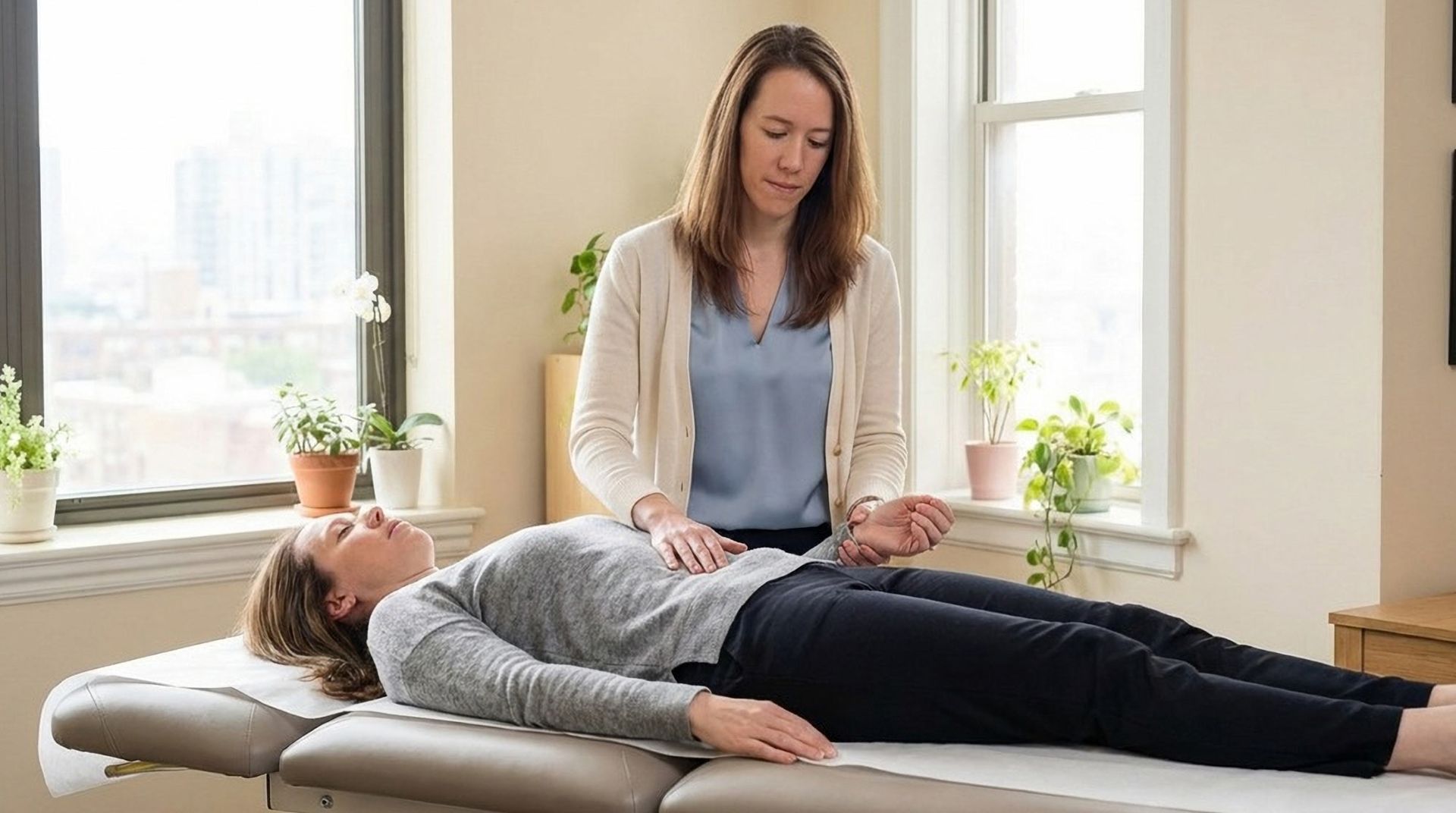
Emotional release therapy helps the body let go of stored tension by creating a safe environment for the nervous system to unwind. This process does not require reliving trauma or forcing emotional expression; instead, it gently guides the body toward releasing what it has been holding. Techniques such as muscle testing, breathwork, grounding, and energy balancing help identify where emotional patterns are stored and how to release them.
As the body relaxes, the nervous system shifts out of survival mode and into a state where healing becomes possible. Many people experience immediate changes in posture, breathing, and emotional clarity after a session. Over time, these releases create lasting improvements in physical comfort and emotional resilience. Emotional release therapy is a powerful tool for restoring balance and reconnecting the mind and body.
Please Share this Blog Post