


Breathing Easier in the City: Natural Ways to Strengthen Your Lungs
City living brings energy, opportunity, and constant movement — but it also exposes your lungs to pollutants, irritants, and chronic respiratory strain. Many patients don’t realize how much urban air quality affects their breathing, immune function, and overall vitality. This blog explores natural, supportive ways to strengthen your respiratory system and breathe easier in a high‑pollution environment.
-Dr. Alicia Armitstead
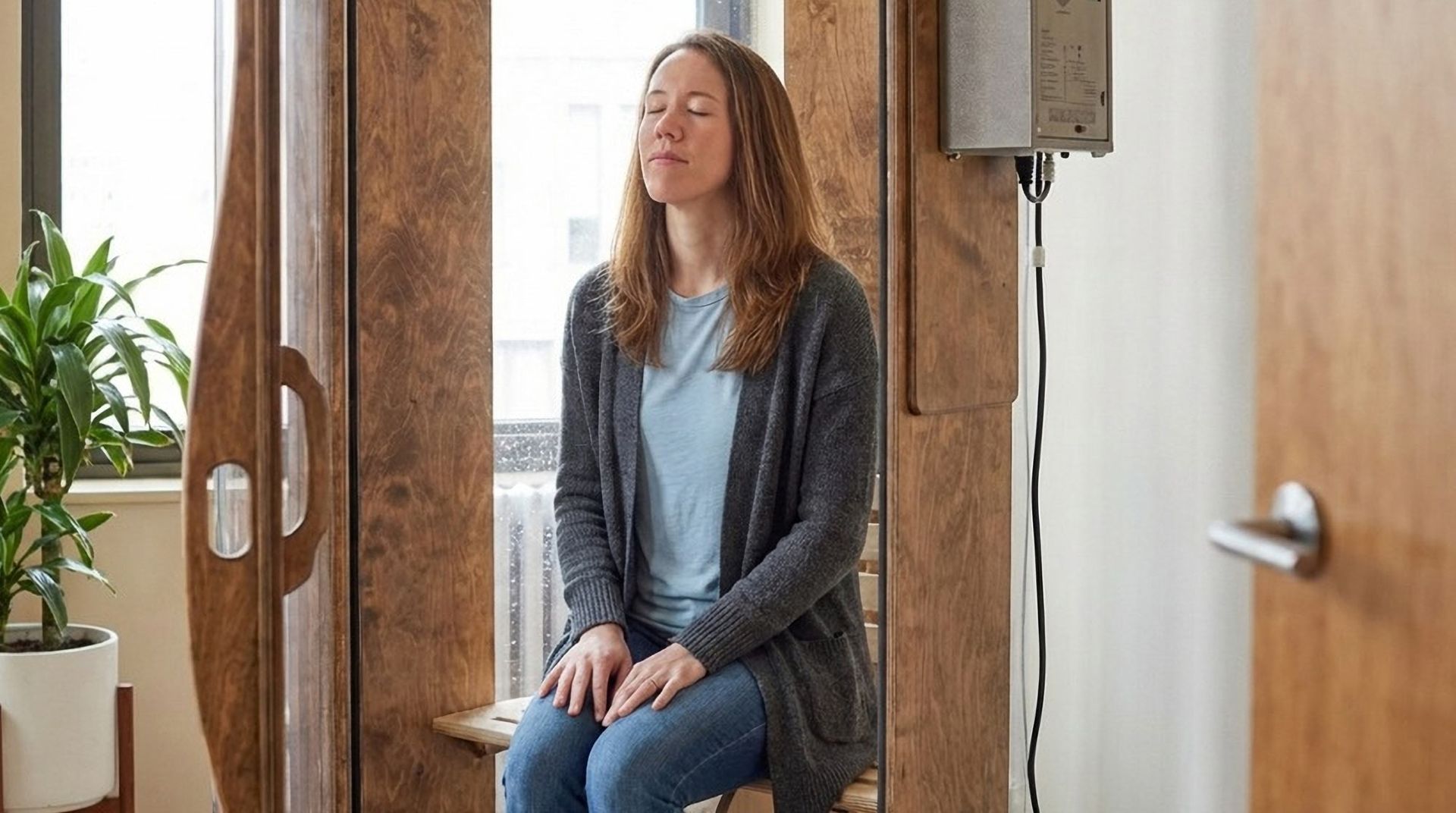
Using Himalayan Salt Booth Therapy to Promote Clearer Breathing and Better Lung Function
Key Urban Respiratory Stressors
Urban environments expose the respiratory system to a constant mix of pollutants, allergens, and irritants that most people encounter without realizing their cumulative impact. These stressors can weaken the lungs over time, making breathing feel heavier, less efficient, and more reactive to daily triggers. Understanding the most common urban respiratory challenges helps patients take proactive steps to protect their lungs and immune health.
- Air pollution exposes the lungs to particulate matter that can irritate the airways and weaken immune defenses over time. These particles are small enough to bypass the body’s natural filtration system, making them especially problematic for city residents.
- Seasonal allergens intensify respiratory symptoms by triggering inflammation in the sinuses and lungs, especially during spring and fall. Many New Yorkers experience year‑round congestion because allergens combine with pollution to create a constant irritant load.
- Indoor air quality can be just as challenging due to dust, mold, cleaning chemicals, and poor ventilation in apartments and office buildings. These indoor triggers often go unnoticed but contribute significantly to chronic respiratory stress.
- Temperature fluctuations, especially during winter, can constrict the airways and make breathing feel more difficult. This effect is amplified when moving between overheated buildings and cold outdoor air.
- Urban stress increases cortisol levels, which can weaken immune function and make the respiratory system more reactive. This creates a cycle where stress worsens breathing, and poor breathing increases stress.
- Public transportation exposes commuters to crowded, enclosed spaces where airborne irritants and germs circulate easily. This environment can aggravate existing respiratory issues and increase susceptibility to infections.
- Construction sites release dust, debris, and chemical fumes that linger in the air long after work has ended. These particles can irritate the lungs and contribute to long‑term respiratory inflammation.
- Smoking and secondhand smoke remain common in many city environments, adding another layer of respiratory strain for sensitive individuals. Even brief exposure can trigger symptoms in those with asthma or allergies.
Urban respiratory stressors come from multiple sources, and their combined effects can significantly strain the lungs and immune system. Recognizing these triggers empowers patients to make informed choices that reduce daily irritation and support clearer breathing. With the right strategies, even city residents can create a healthier respiratory environment for themselves.
How Himalayan Salt Booth Therapy Supports Respiratory Health
Himalayan salt booth therapy offers a natural, non‑invasive way to support respiratory function in environments where air quality is consistently compromised. The micronized salt particles help cleanse the airways by loosening mucus, reducing inflammation, and supporting the body’s natural filtration processes. Many patients report easier breathing, reduced congestion, and improved sinus clarity after regular sessions. The therapy also supports immune resilience by creating a cleaner respiratory environment that is less reactive to pollutants and allergens.
In a city where irritants are unavoidable, this modality provides a restorative counterbalance that helps the lungs recover from daily exposure. The dry salt environment also helps reduce microbial load in the airways, which can be especially beneficial during cold and flu season. Over time, consistent sessions can help strengthen respiratory endurance and reduce the frequency of flare‑ups. For individuals living in high‑pollution areas, this therapy becomes a valuable tool for maintaining long‑term respiratory wellness.
Natural Lifestyle Strategies for Stronger Lungs
Natural lifestyle habits play a powerful role in supporting lung function, especially for individuals exposed to the daily respiratory challenges of city living. These simple practices help reduce inflammation, improve airway clarity, and strengthen the body’s natural ability to filter irritants. When used consistently, they create a healthier foundation for breathing and overall respiratory resilience.
- Nasal rinsing helps remove pollutants, allergens, and particulate matter that accumulate throughout the day. This simple practice reduces inflammation and supports clearer breathing.
- Indoor air purifiers with HEPA filters capture fine particles that contribute to chronic congestion and respiratory irritation. Using them consistently creates a cleaner home environment that supports lung health.
- Hydration keeps mucus thin and easier for the body to expel, reducing the likelihood of blockages and sinus pressure. Many patients underestimate how much hydration affects respiratory comfort.
- Gentle breathing exercises strengthen the diaphragm and improve oxygen exchange, helping the lungs function more efficiently. These exercises also reduce stress, which indirectly supports respiratory health.
- Anti‑inflammatory foods such as leafy greens, berries, and omega‑3‑rich fish help reduce airway inflammation from the inside out. A nutrient‑dense diet supports both immune and respiratory function.
- Regular movement increases circulation and helps the lungs expand more fully, improving overall respiratory capacity. Even short walks can make a meaningful difference in lung performance.
- Reducing exposure to synthetic fragrances and harsh cleaning chemicals can significantly decrease indoor respiratory irritation. Choosing natural alternatives helps create a more supportive breathing environment.
- Prioritizing restorative sleep allows the body to repair respiratory tissues and strengthen immune defenses. Poor sleep can make the lungs more reactive to daily irritants.
These natural strategies work together to reduce daily respiratory strain and support clearer, more efficient breathing. By incorporating even a few of these habits, patients can create a more supportive environment for their lungs despite the challenges of urban air quality. Over time, these small changes contribute to stronger respiratory function and improved long‑term wellness.
Summary
Living in a dense urban environment exposes your lungs to pollution, allergens, and chronic respiratory stress. Many New Yorkers experience persistent congestion, sinus irritation, and reduced breathing capacity without realizing how much the city environment contributes. This article outlines natural, clinically grounded strategies to support respiratory health and strengthen your lungs despite the challenges of city living.
Please Share this Blog Post